Just got back from the Olympic peninsula this afternoon. A couple friends and I had trekked out to Port Angeles to attend the PNW Fiber Expo.
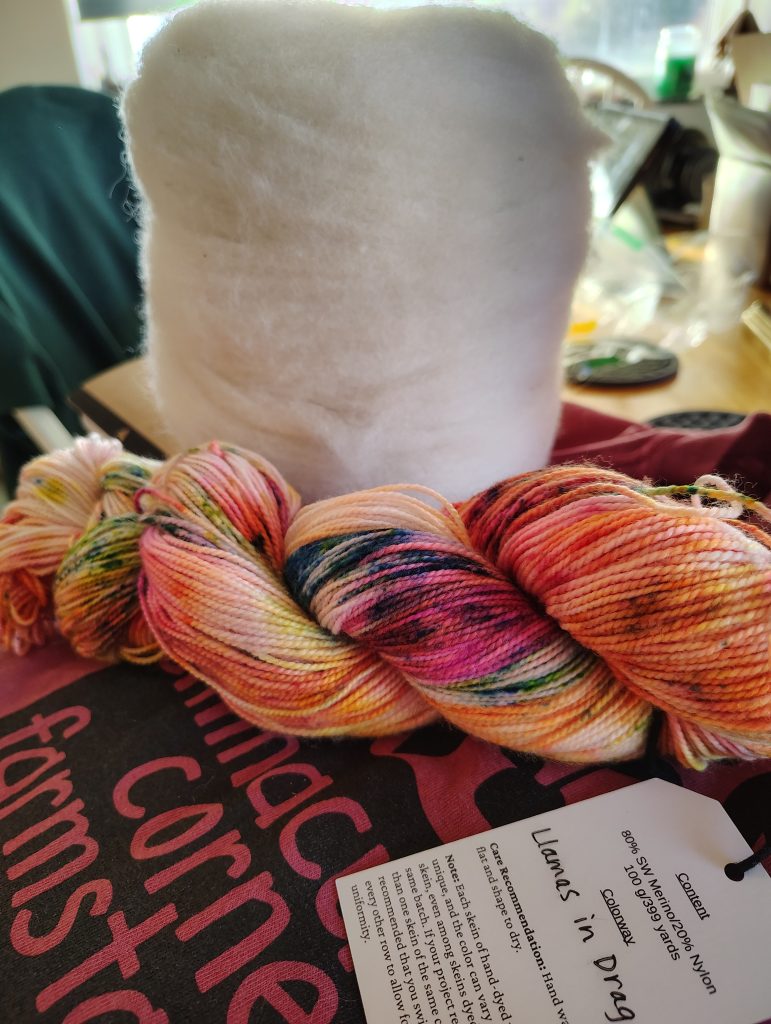
It’s not a big event, but really nice, with local farms and fiber processors. I picked up a couple nice fibery things- one to spin (cross breed wool from Dine ranchers in New Mexico, processed near Discovery Bay) and one to knit ( a bright and happy skein of sock yarn).
But you’re probably wondering, what is the “C” about.
The other thing that I acquired over the weekend.
So, in addition to a C, give me a “P”! and a “W”!
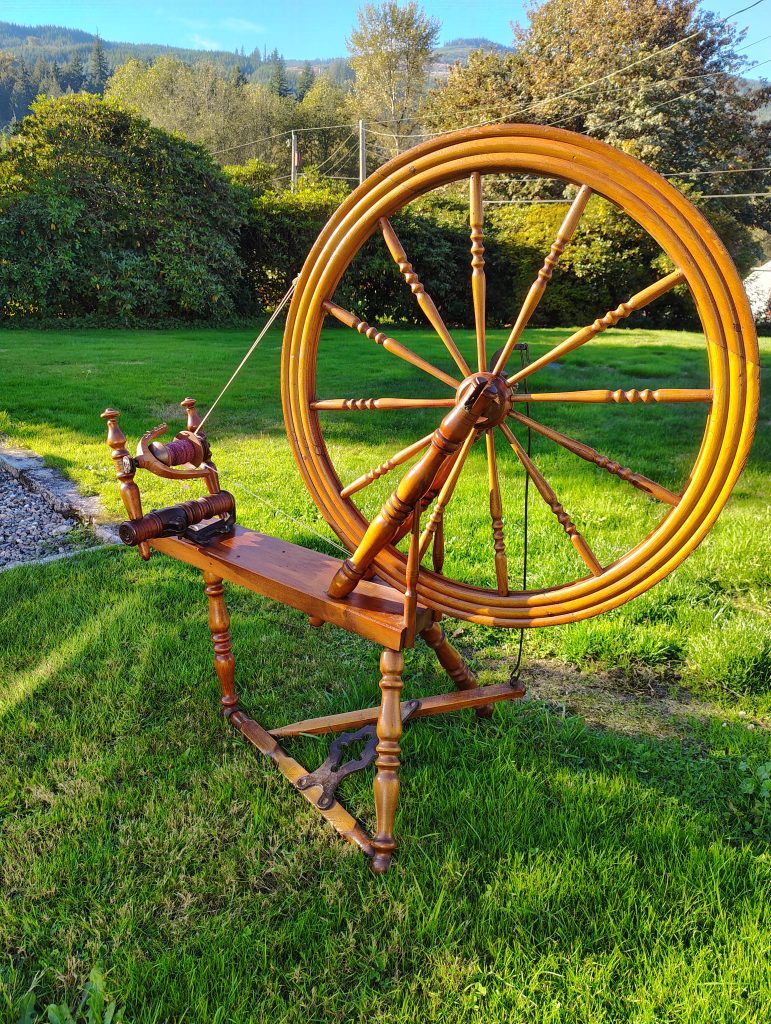
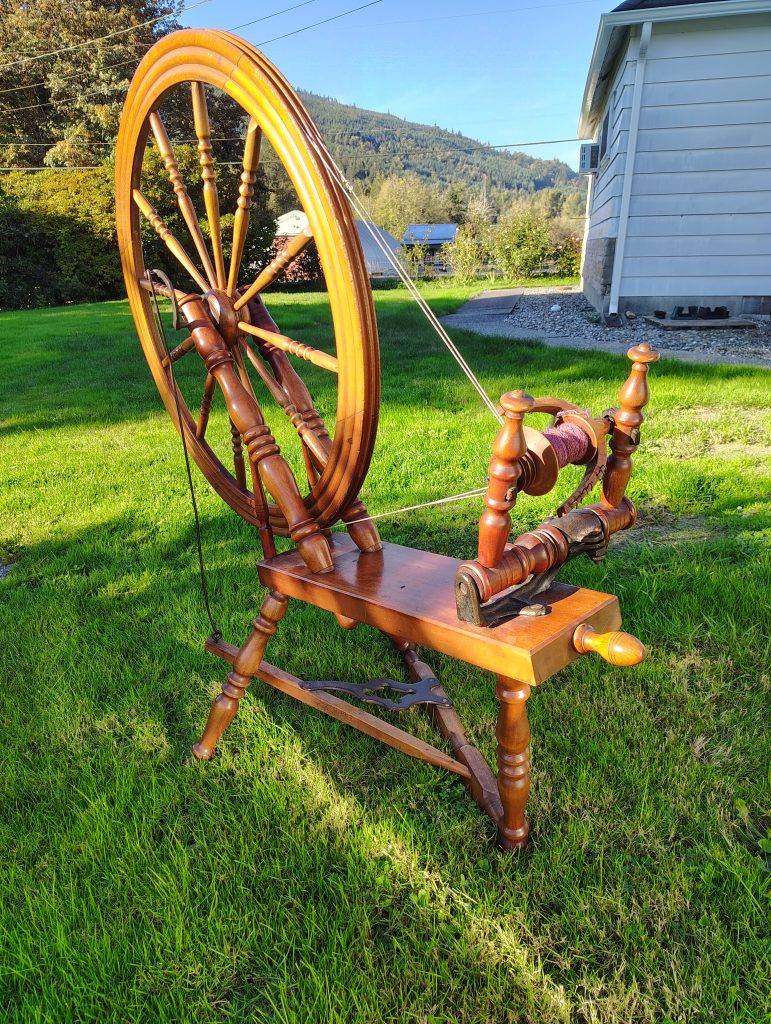
Isn’t she a beauty?
Tilt tension Canadian Production Wheel. iron treadle, no maker’s mark. 30″ drivewheel. 18:1 ratio
My friend transported her from Woodinville out to Port Angeles where I took custody of her.
I got a little spinning time on her while we were on location, and she’s so smooth and fast. A real workhorse. Still thinking on a name for her, but I think she’s going to fit in with the herd very nicely.
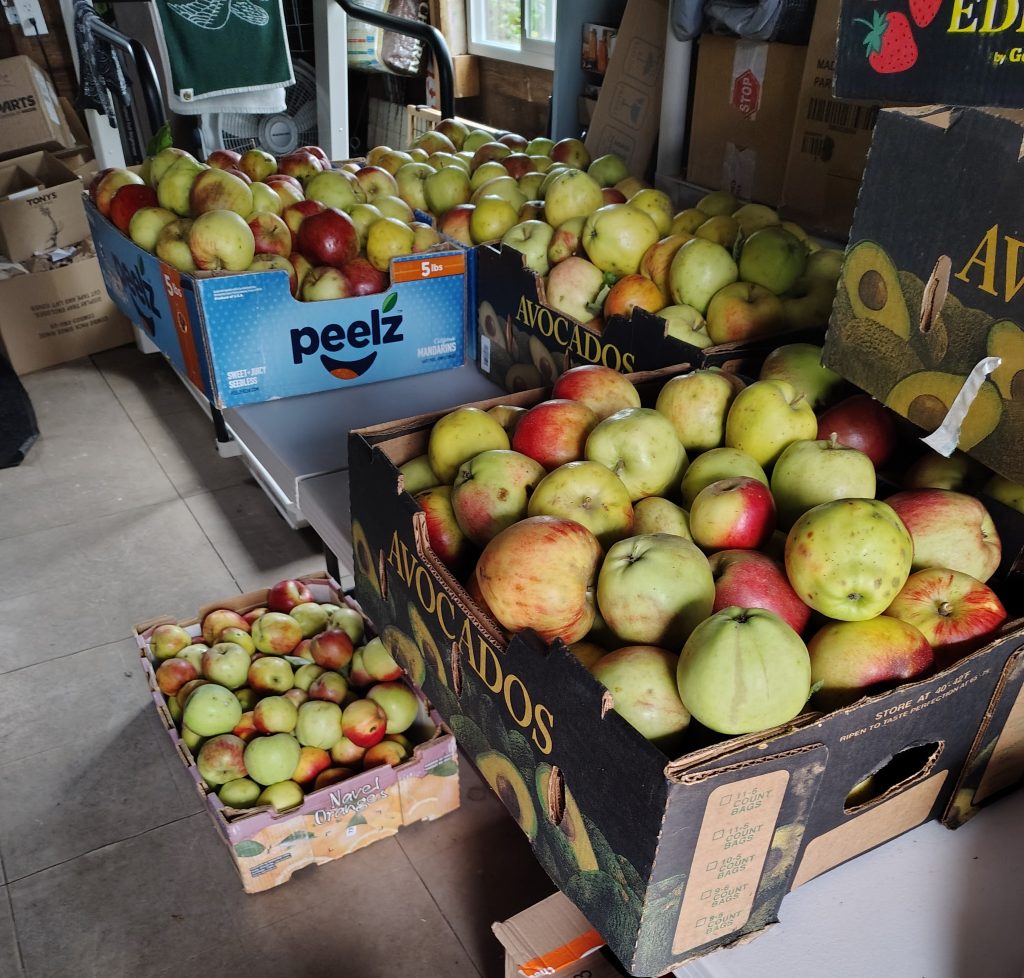
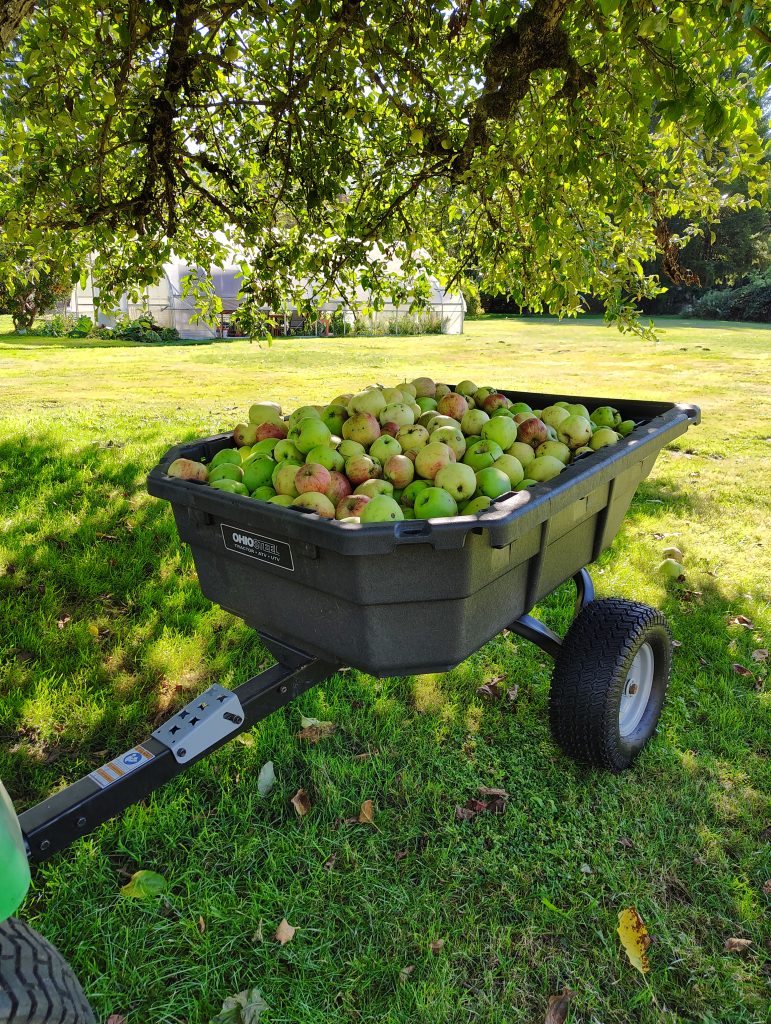
Our haul is mostly King and Mutsu apples, and is way more than we are able to process ourselves. The Man turns some into applesauce, which gets frozen or canned, and dried apple chips, that we gobble up as snacks. The rest goes to friends who turn them into very tasty hard cider. So glad that they are put to use!
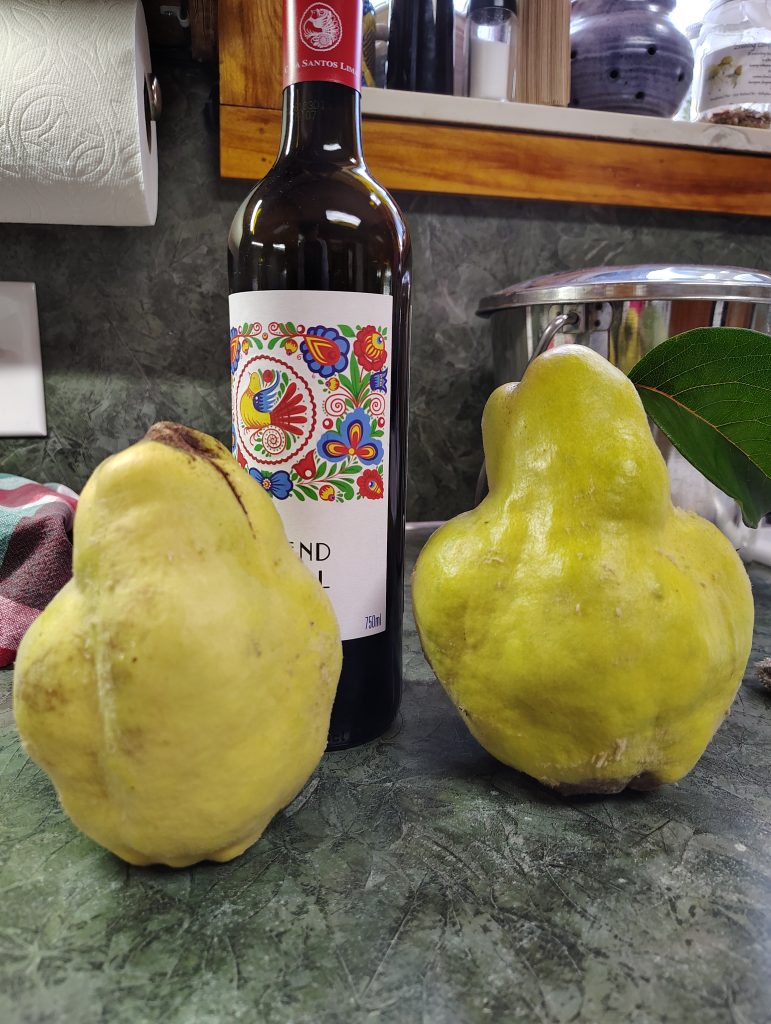
Was out back checking on the quince, and noticed that the two enormous fruits on the tree were both compromised, so went ahead and picked them (wine bottle provided for scale)
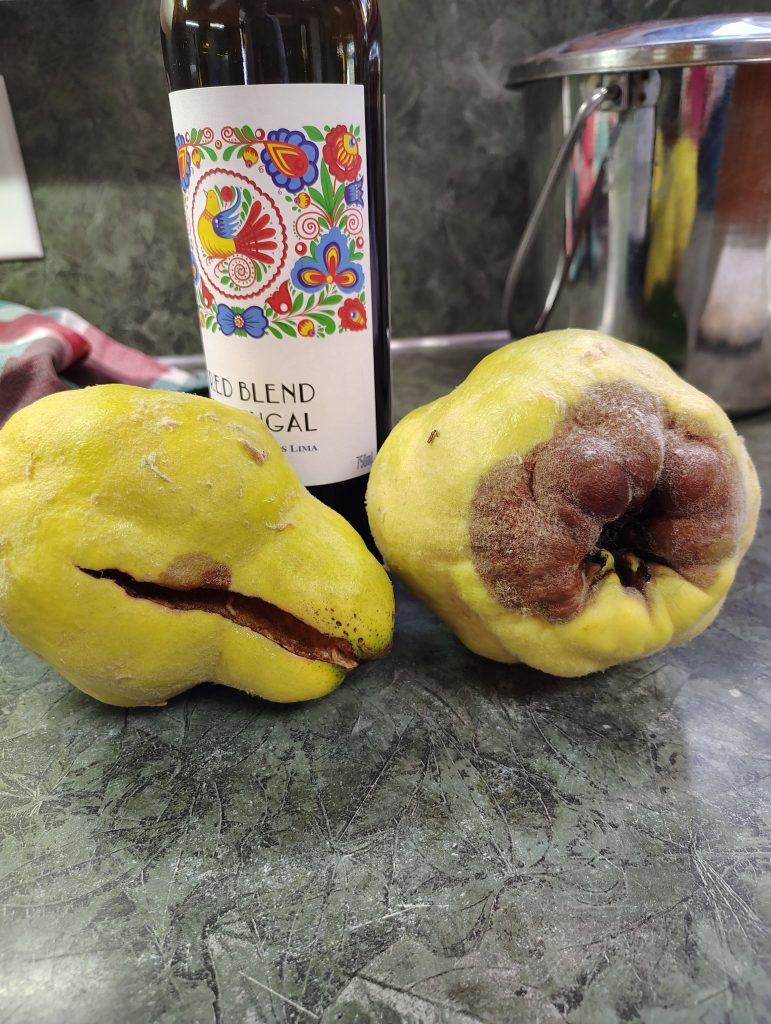
and the fatal flaws
These guys got composted, but there are about 10-12 more that hopefully will get turned into jam or membrillo later on this fall.
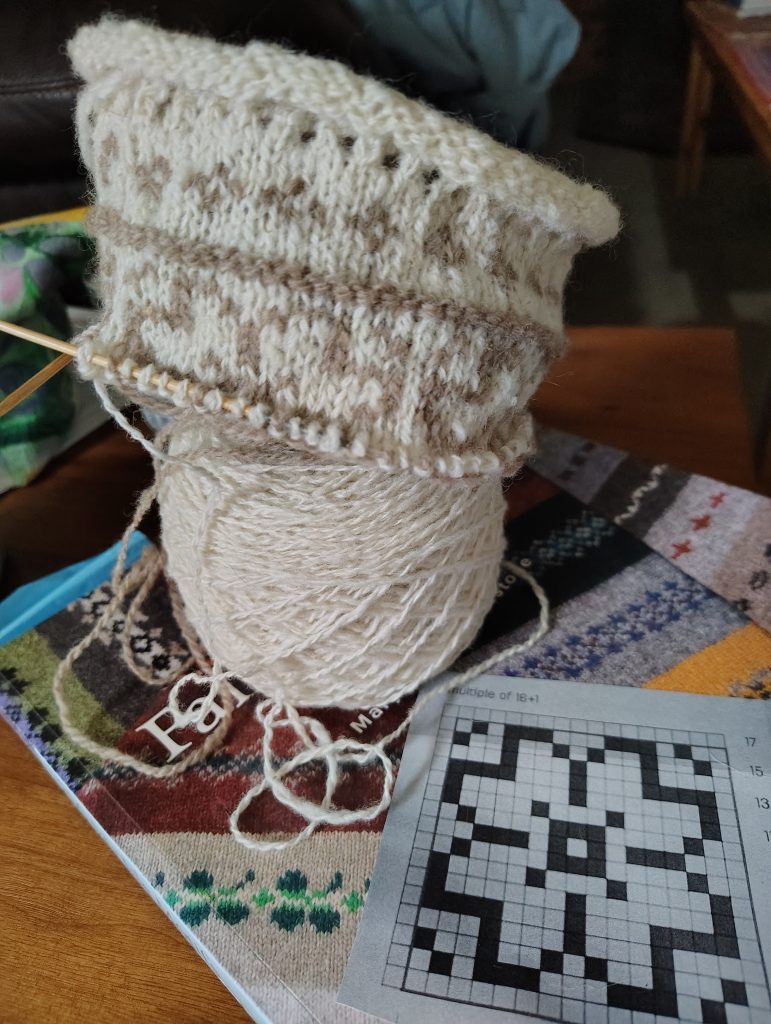
In wool news, despite already having two sweaters in progress, I cast on another project-
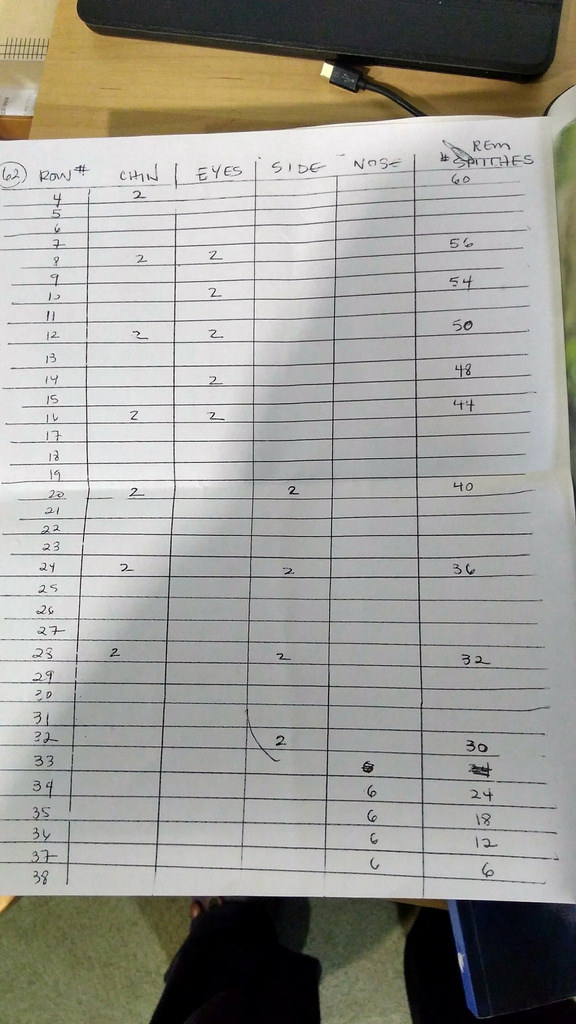
Revisiting one of my favorite patterns- Estonian Sheep Puppet . I’ve knitted at least 4 of these, but it’s been a while, so I’m really glad I thought to make myself a cheat sheet for the head shaping the last time.
This one will be a baby gift, so has kind of jumped the line in terms of knitting queue, but shouldn’t take too long to turn out. I just love these little guys. 🙂
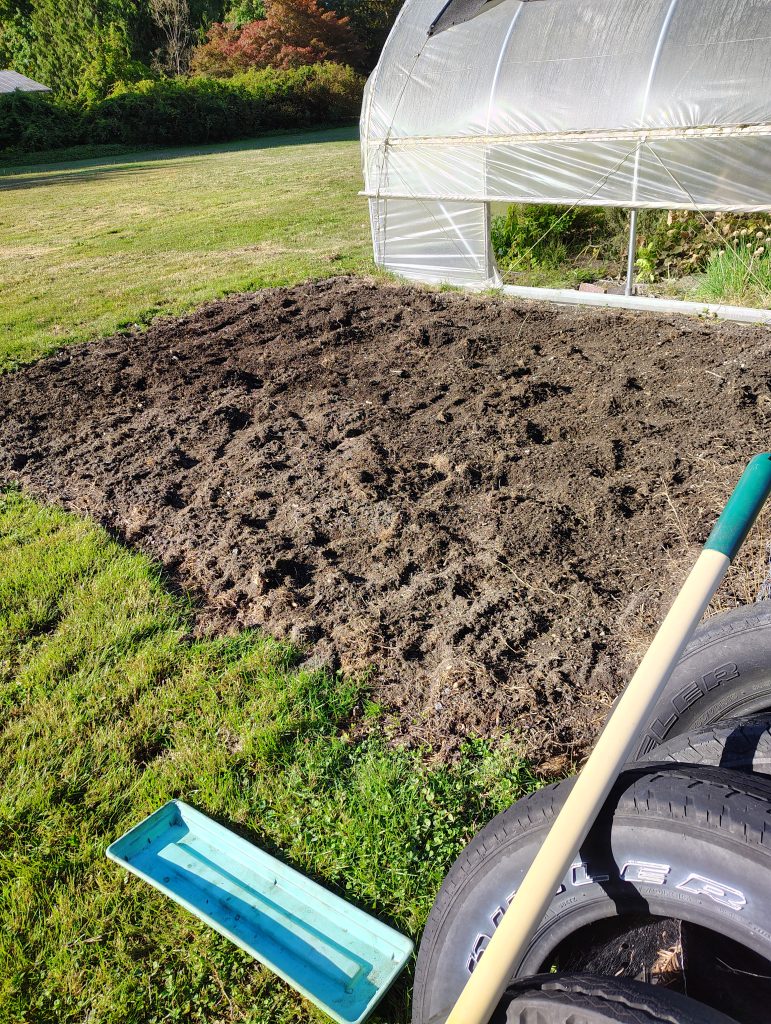
And, I’m pleased to report that my rye growing project is underway! The Man rototilled and amended the plot last weekend,
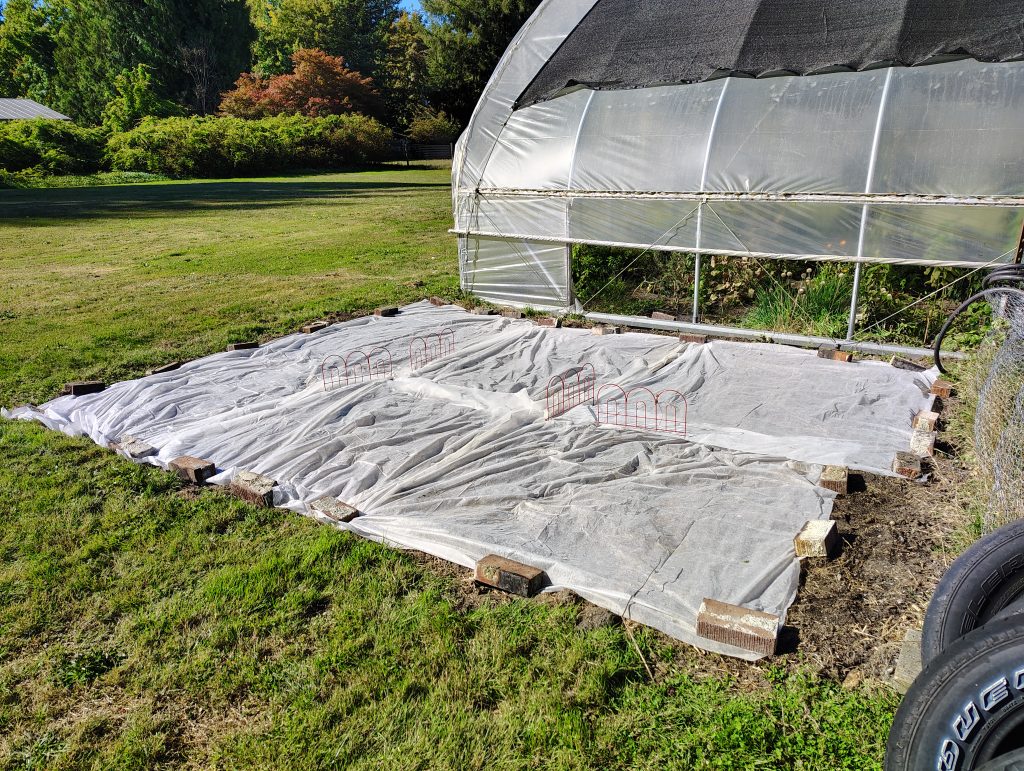
and today I sowed the grain (which is now tucked in safely under floating row cover fabric so that our friendly neighborhood birds don’t eat it all before it has a chance to germinate).
The variety is Sangaste, which apparently is the oldest cultivated rye variety in the world. Developed in Estonia in the 1800’s. Many thanks to Kim at the WSU BreadLab for the seed to make my little trial possible!
Yesterday my spinning guild had our Dye Day, focused this year on natural dyes.
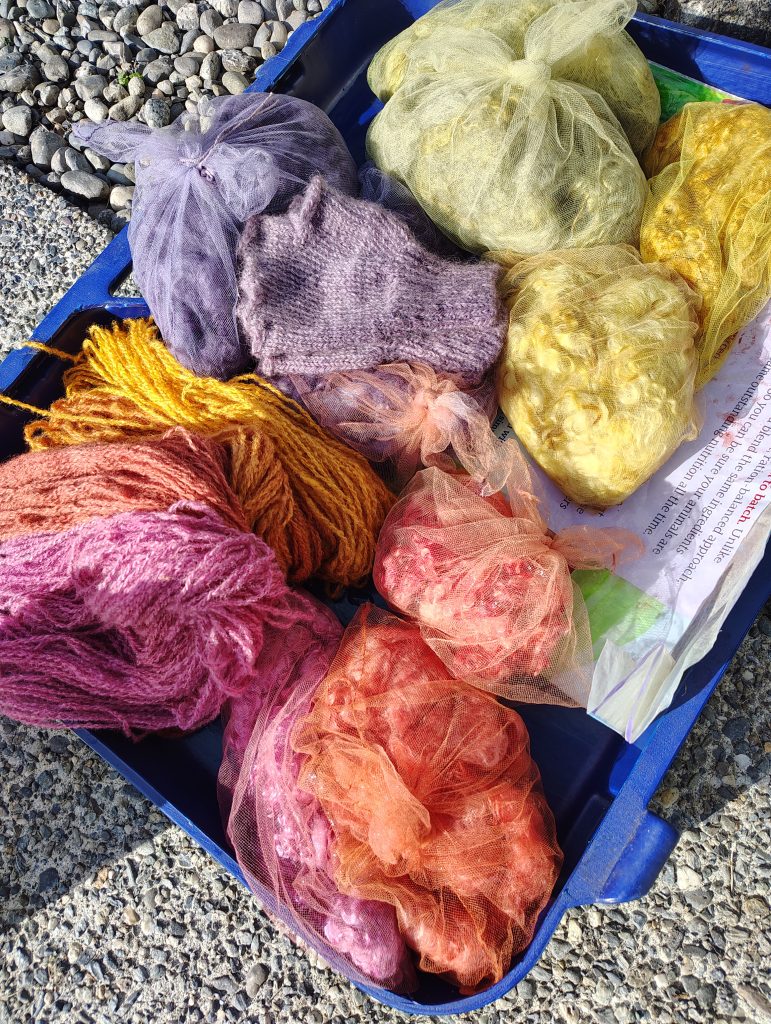
I managed a Madder (red/orange) pot. We also had Chamomile (clear yellow), Logwood (purple), Cochineal (fuschia), Lac (raspberry) , Dahlia and Walnut Leaves (tangerine), Snapdragon Flowers (green), and Usnea(brown)
I didn’t get something in every pot, but did come away with a beautiful selection of colors-
I’ve spent a good bit of today rinsing and washing my fibers to ensure that any excess dye is removed before I store them.
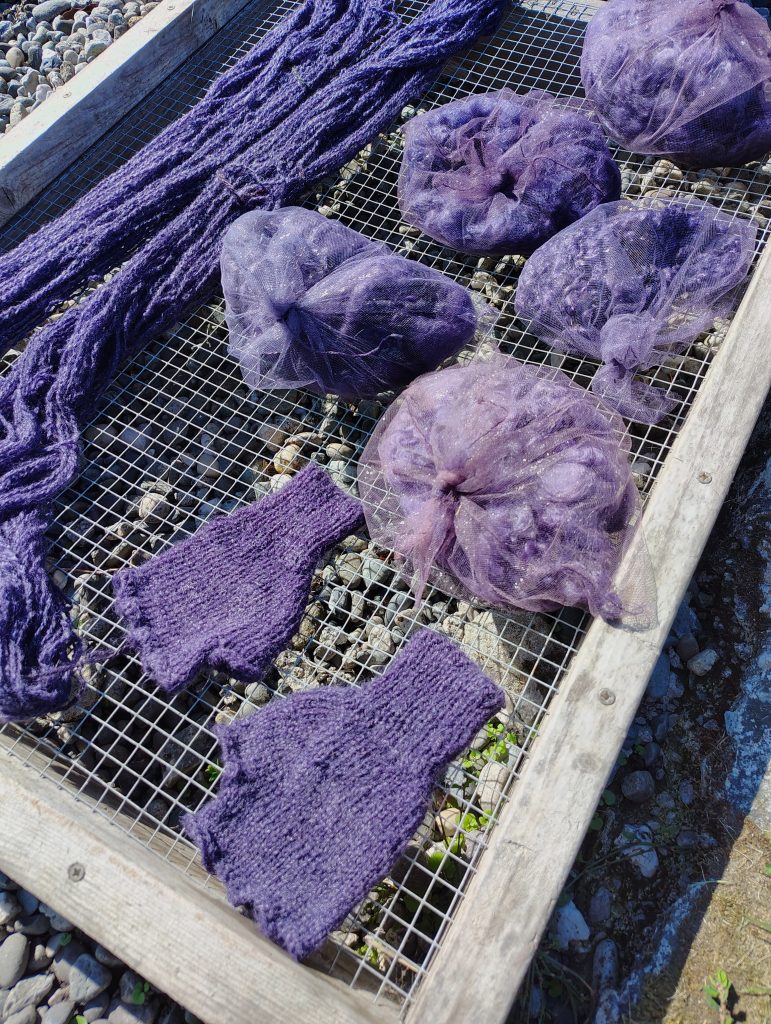
I also did a secondary dye process on my Logwood samples. I had some “Purple Jazz” logwood extract in my Earthhues kit that I’d never used, and also some copper mordanted fiber that I ended up not dyeing on Saturday, so this morning I set up my pot and went about trying for a darker (and perhaps a bit bluer) shade
I did a quick search on how to optimize logwood results on wool, and what I found indicated that temperature (170-180), pH (acid for more red, basic for more blue) and time (patience is hard) were all significant factors. Also apparently darker shades are best achieved through a multi-stage process, rather than using a higher concentration of dyestuff.
I expected/hoped that the copper mordanted wool might result in a navy blue shade, and decided on the spur of the moment to add some of the copper mordant solution to the dye vat for good measure. Not sure how much the copper affected anything, but I am really pleased with how vibrant the results were
I also reached a milestone on my colorwork sweater today-
I took it off the needles this morning to do a quick steam block and compare the length to my Alcott Cardigan, and it appears that we’re up to the underarms! So that was exciting.
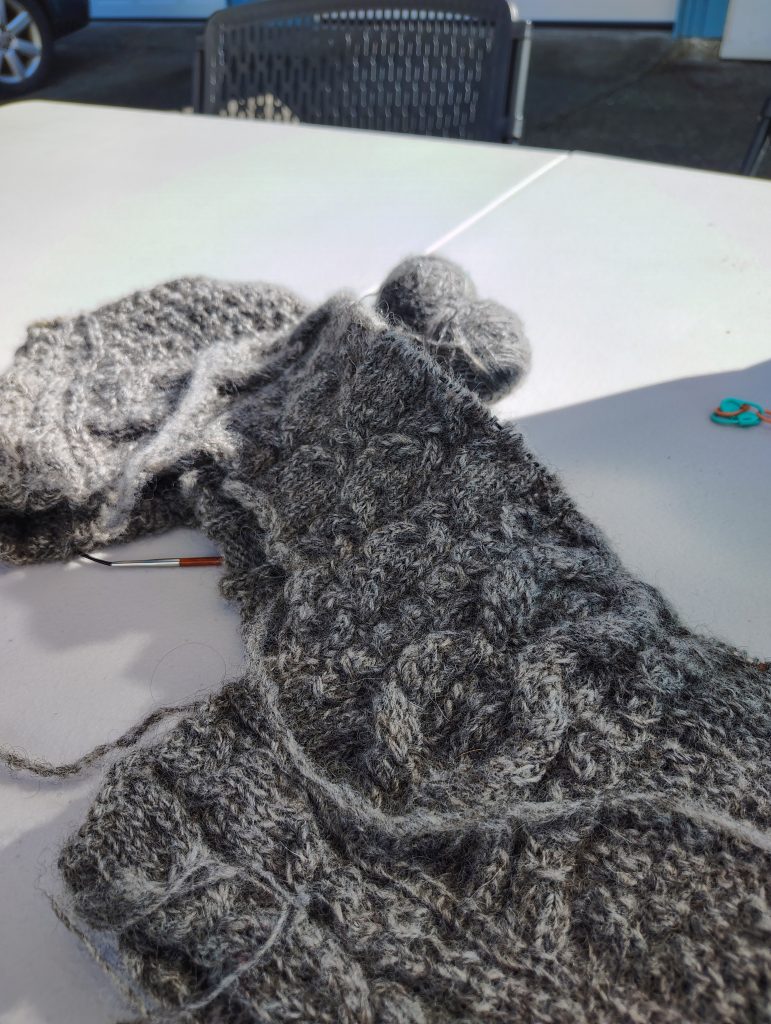
And in case you think that Dottie’s Freya has gone into hibernation, I finally made the call to day to rip back a couple/few inches because I wasn’t entirely satisfied with how different one of the yarns was on color (too dark, created a bit of a distraction from the cables). Took a while to rip out an re-wind the yarn, but I think that I’ll be happier with it in the long run.
It’s been a few weeks now since I knit on it, so will need to go back to the chart to start, but hopefully will be back on track very soon.
Alrighty folks. Hope you’re enjoying these last days of summer. Have a good week-
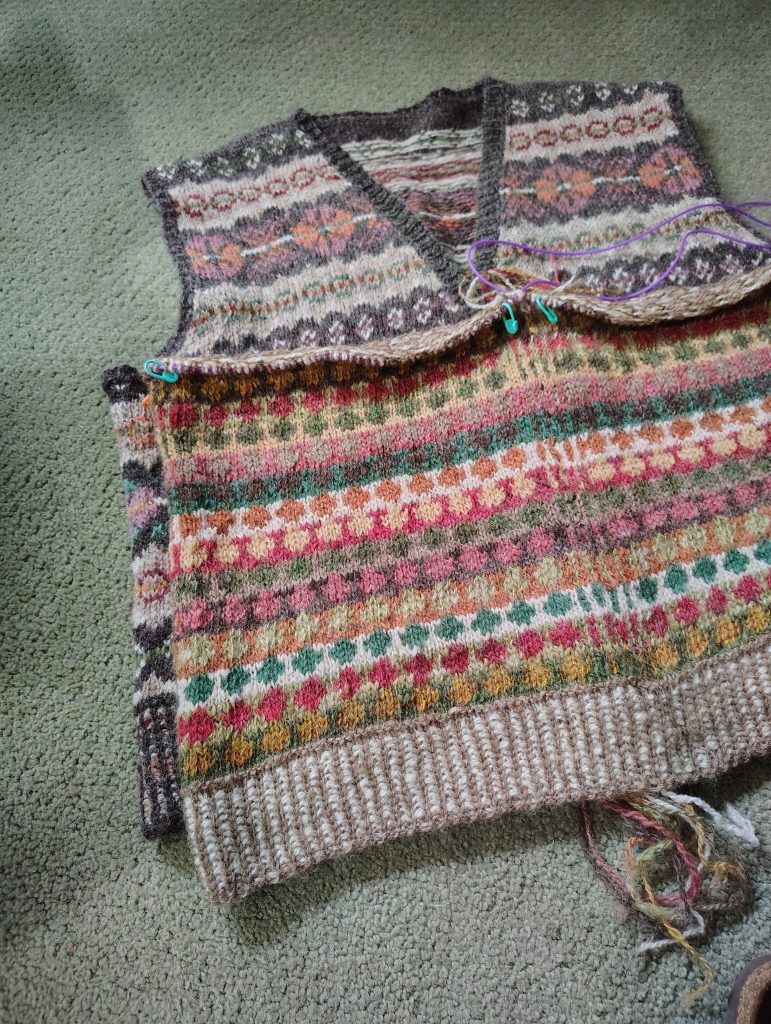
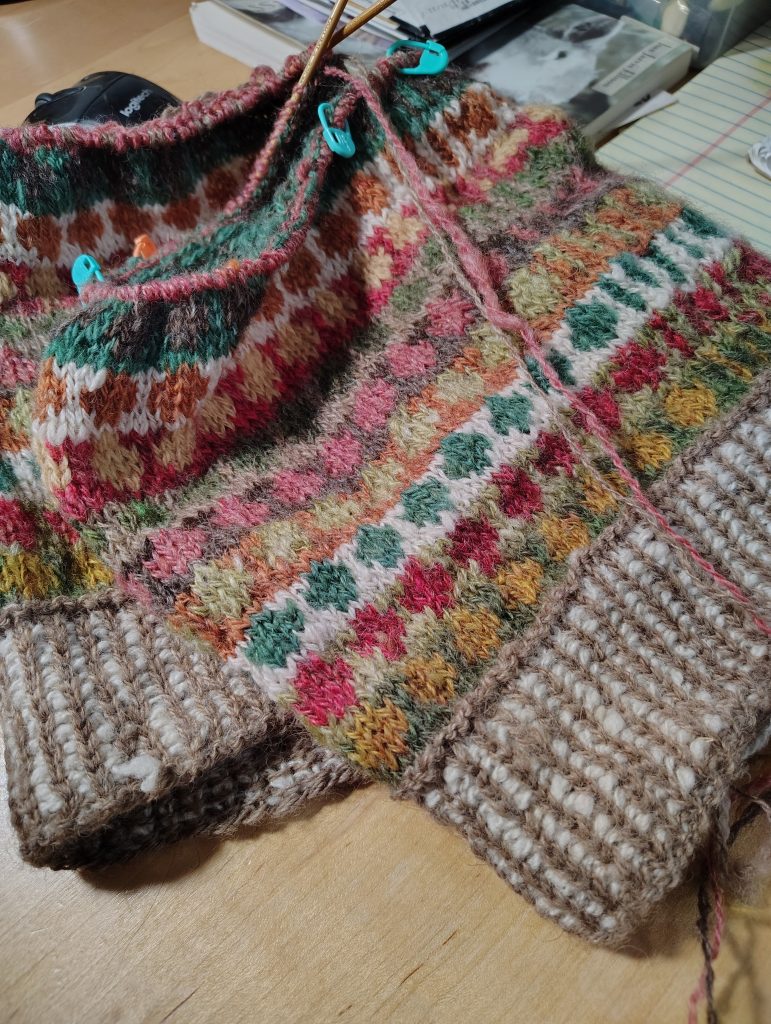
Sorry to have missed last week- I was off the homestead and otherwise engaged. But I had wool for company in my travels! First off, the colorwork sweater vest project that I pulled together shortly before departing.
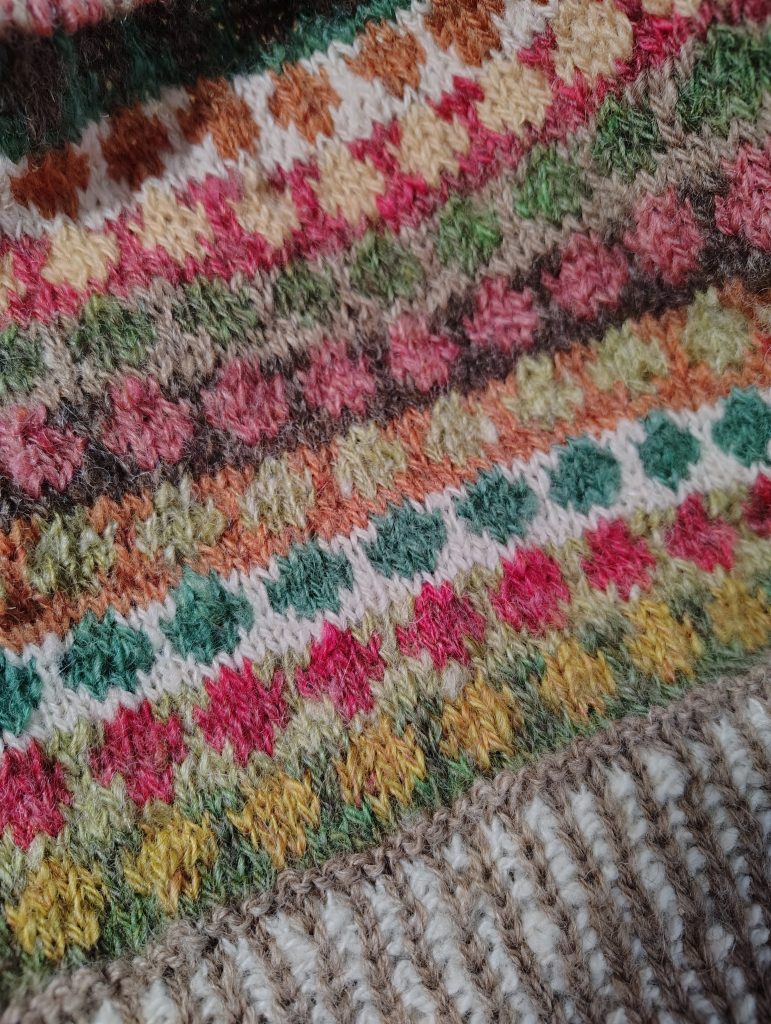
I was actually kind of surprised how much I got done! The little dots are so fun and easy to work. After each 5 row repeat I dig around in my bag of colors and find another combo and go again, and the colors just stack up.
I’m pretty excited about the effect so far. It feels so fresh and fun, but not too matchy-matchy.
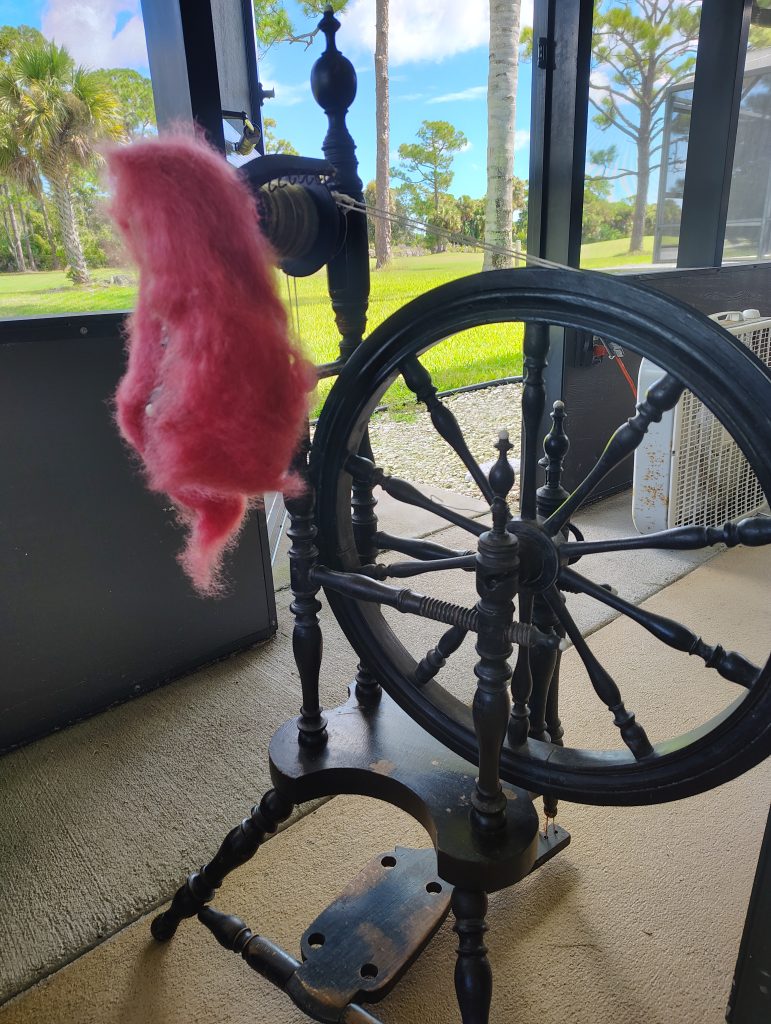
I also got some quality time with with my Florida spinning wheel, Mims.
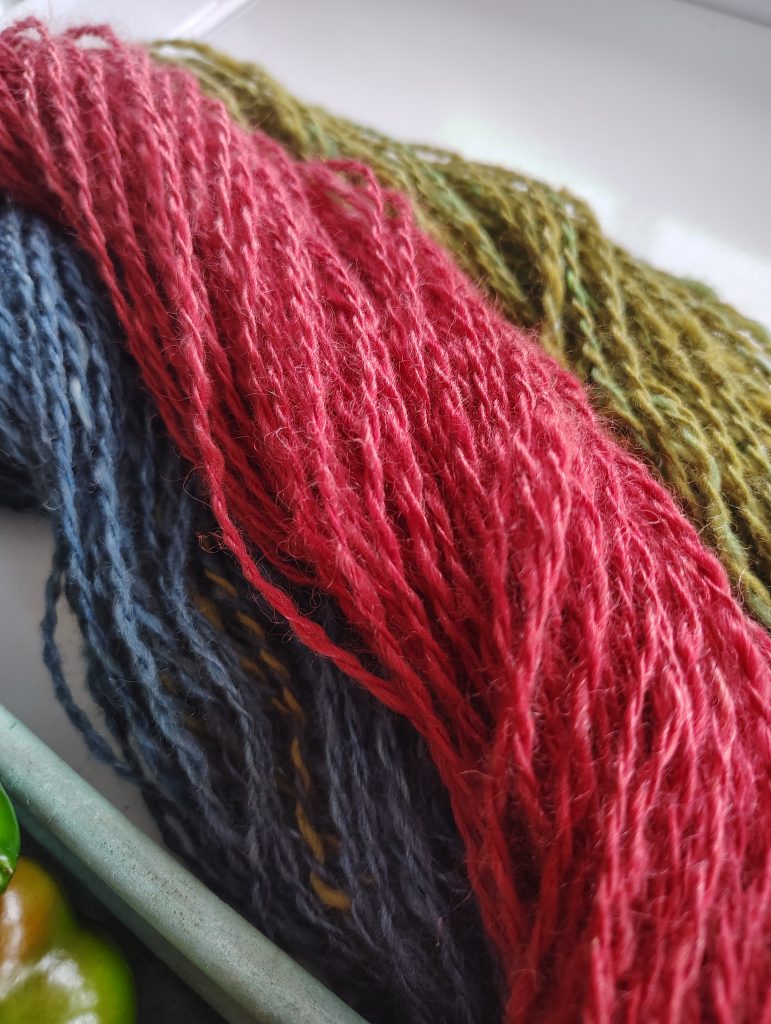
I took some carded fiber with me, and got all the singles spun. Brought them home wound off on toilet paper roll cores and just plied them up today on my e-spinner.
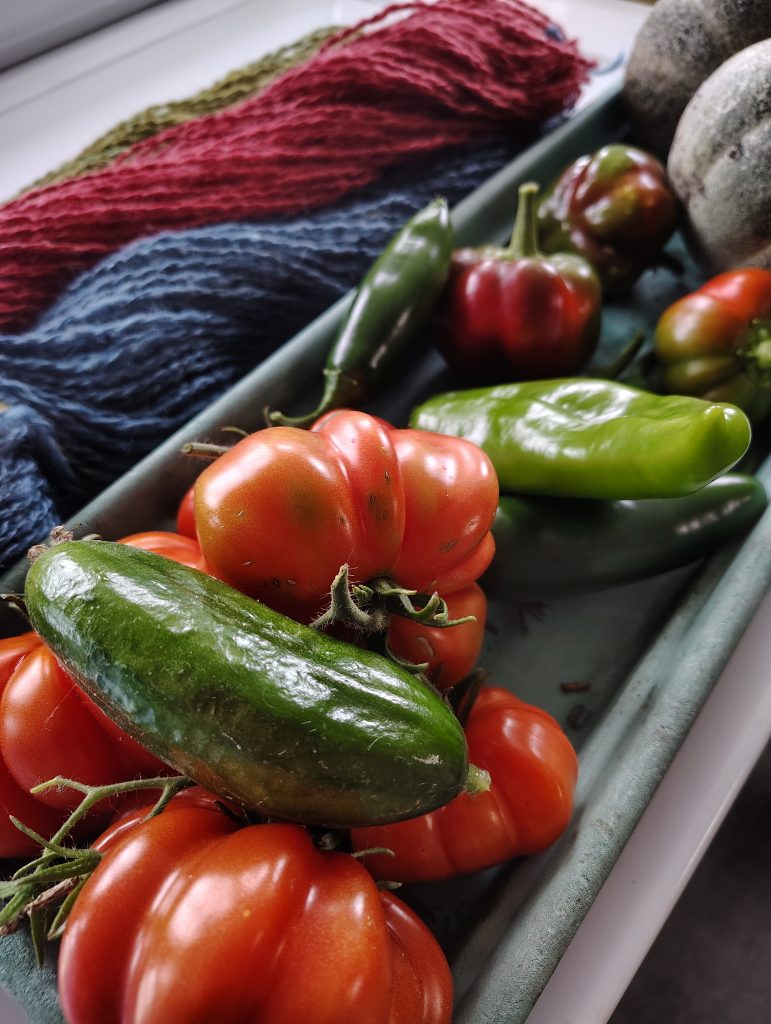
Not sure I have quite enough ply twist in them, so might have to revisit that at some point, but the colors are beautiful and vibrant (indigo, madder, and a blend of greens from different dye batches).
Now that I’m back, it feels like Fall is right around the corner. Still harvesting things out in the garden, but also planning and planting for next year.
Just got my garlic in the ground, and an almost ready to rototill my plot for planting rye. It feels good to be back on my home ground, with a digging fork in hand. 🙂